What is MS and how does it affect movement?
Living with Multiple Sclerosis (MS) doesn’t mean giving up on movement. In fact, research shows that regular physical activity and physiotherapy can improve strength, balance, and quality of life for people with MS. At Healthy Movements Physiotherapy, we support you with personalised exercise programs that match your abilities and goals.
- Exercise has both mental and physical health benefits for everyone.
- In addition to improving overall fitness, exercise can help enhance muscle strength and stability, flexibility, balance, and can generally help you feel better by reducing fatigue.
- Exercise has also been shown to improve balance in people with multiple sclerosis – Looking for MS support in Western Sydney? Our team is here to guide you every step of the way.
- Check out our multiple sclerosis exercise program in St Marys and Colyton to learn how focusing on endurance, resistance, and aerobic exercises can support your well-being.
Link: https://healthymovementsphysiotherapy.com.au/service/neurological-physiotherapy/
Benefits of Exercise for MS
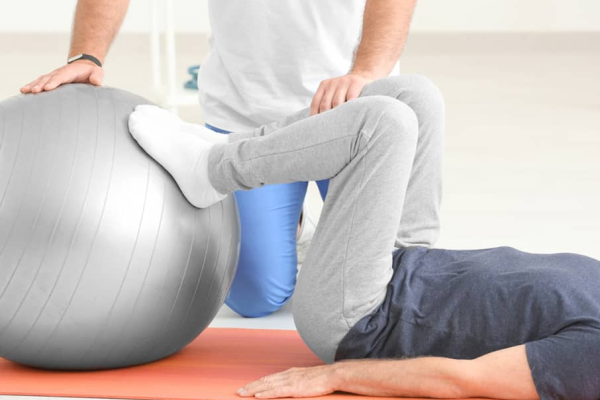
- With multiple sclerosis, exercise might be one of the last things you feel like doing. You may even think that working out could make your MS worse.
- The truth is, physical activity and aerobic exercise have been proven to improve MS symptoms, including muscle spasms, muscle weakness, fatigue, balance, and overall well-being.
How did exercise help Michael’s symptoms?
- Michael was at the gym when he noticed he had lost control of the right side of his body. He later found out he had multiple sclerosis — that was his first relapse.
- With the help of Healthy Movements Physiotherapy team to find the right exercise plan and some effort in the gym, he managed to improve his symptoms and return to the level of fitness he had before the relapse.
“Of all types of exercise, yoga has always made the most sense to me. There’s a pose I call the “butterfly.” You bring your feet together, draw them towards your hips, and lower your forehead to the floor in front of your feet. I remind you that this pose may be painful the first time, but with a lot of practice, it becomes very comfortable. I encourage you to do it as often as possible. When I stopped doing it daily, I noticed an increase in spasms in both legs, which started causing issues when I tried to get up from bed or the couch using one crutch. Without it, it was impossible.”
Physiotherapy for Multiple Sclerosis
- Physical therapy includes exercise, rehabilitation, and physiotherapy. These are all important components of managing multiple sclerosis. They can be tailored to your individual needs, whether you’ve just been diagnosed, experienced a relapse, or have been living with multiple sclerosis for some time.
- Physical therapy may involve exercise programs and training that help improve your balance and mobility. It can also assist you in finding better ways to perform everyday tasks.
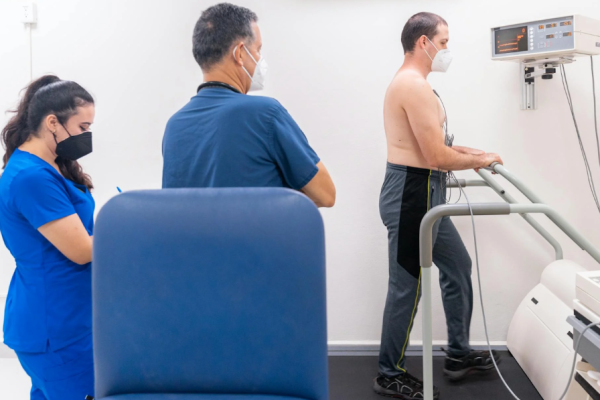
Physical therapy may include:
- Stretches and movements to help relieve muscle spasms and keep muscles strong.
- Exercises to improve range of motion, such as straightening and bending your legs and arms.
- Fall prevention tips.
- Strategies for conserving energy if you experience fatigue.
- Before starting physical therapy, speak with our Healthy Movements Physiotherapy team to ensure the exercises and advice are tailored to your needs.
- In addition to physical therapy, there are many other rehabilitation strategies, such as speech therapy and occupational therapy, that help you feel and function at your best.
If you experience movement or balance issues, discuss MS recovery with our team. Together, we can create a personalized recovery plan that will help you move forward in the right direction.
“I warned my physiotherapist that a certain leg stretch might cause a spasm. Sure enough, it happened — a quick reminder of how unpredictable MS symptoms can be.” (Micheal)
Looking to get dedicated professional help? Check out the appointment button up top(top right corner).
Safe Exercise Tips for MS
Before you start exercising or increase your activity levels, speak with our HMP team to ensure that the exercise program is right for you. We will provide advice on the types of exercises that are most appropriate based on your lifestyle, goals, and symptoms.
Keep these tips in mind for safe and effective exercise:
- Find a gym with equipment that suits your needs, and consider informing the staff that you have multiple sclerosis so they can provide additional support if needed.
- Accept your physical limitations and avoid overexerting yourself.
- Always warm up first and start slowly.
- Rest between exercises.
- Choose an area with enough space to exercise safely – remove any tripping hazards, such as mats!
- Try to avoid overheating, as this can sometimes trigger symptoms.
“Regardless of everything, your body is your body. And your MS is your MS. No one knows yours better than you. A few weeks ago, I warned the physiotherapist that if he did one stretch of my left leg, which felt good to me, there was a chance it would cause a jerk and spasm, resulting in a blow to his face, and that he should be careful. I was cautious, but he wasn’t. Of course, the blow happened. As you can imagine, he didn’t find it funny.”
How to Avoid Overheating During Exercise
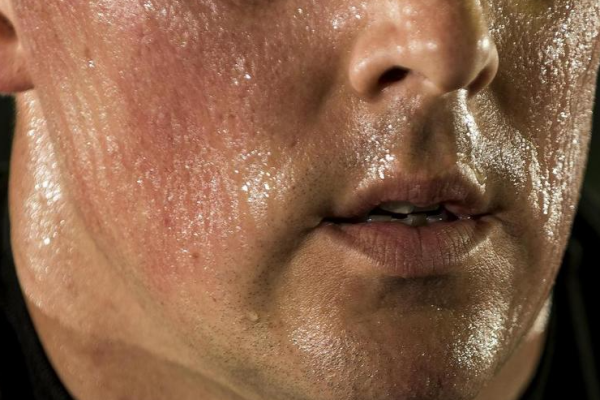
Although exercise is safe for most people with multiple sclerosis, in some cases, an increase in body temperature can cause temporary worsening of symptoms. This is something to be mindful of, but it should not prevent you from staying fit and active.
Below are tips on how to avoid overheating while exercising with multiple sclerosis:
- Exercise in an air-conditioned room.
- Wear lightweight, breathable clothing – you might even try a cooling vest.
- Drink cold beverages regularly.
- Go swimming in a cool pool or take a cold shower (it may be a good idea to inform the pool staff about your multiple sclerosis for safety and in case you need assistance while swimming).
- If you exercise outdoors, do so early in the morning or in the evening when it’s cooler, or try to stay in the shade.
“I have trouble with heat and I’m almost always too hot. That means I’m often in shorts, even in winter! From a practical standpoint, cold showers and chilled drinks help.”
“It’s better to wear layered clothing so you can add or remove layers if you’re too hot or too cold. This is especially important for me in the summer.”
"Case Study: Michael”
We met with Mike to learn about his experiences with exercise and how it has helped him take greater control of his life.
Just start!
“My first tip for exercising is simply to start. Your first session might not be the best, but from my experience, once you start noticing results and feel the energy you get from exercising, you just can’t stop!”
Engage your brain
“In addition to going to the gym, I like to exercise and train my brain. My physiotherapist from HMP suggested some special exercises to train the left side of my brain, such as doing things with my left hand for several hours every day (I’m right-handed, so this is a challenge).”
Find ways to stay active in daily life
“You don’t have to go to the gym to exercise your body. I also enjoy the daily challenge of staying active – if I have the choice between the elevator and the stairs, I take the stairs. That way, I stay fit and feel like I’ve accomplished something.”
Try a new sport (and socialize!)
“I play basketball with my friends in the summer, which is fun because it’s not just exercise, it’s also a way to socialize and gives you a sense of community.”
How We Can Help at Healthy Movements Physiotherapy

- Why not try some of Michael’s tips and find a way to get more activity that works for you?
- In all of this, you can see an example of Michael’s life and how important daily activity and exercise are to him.
- At our Healthy Movements Physiotherapy clinic, we offer a range of programs and education on how to live with MS.
- So, look to Michael’s example, CONTACT US AS SOON AS POSSIBLE! and just like Michael, you too can live normally with this disease, be happy, and learn from our team the tips and exercises that will guide you through your life.
Frequently Asked Questions
- MS is not considered a fatal disease. And you can’t catch it from someone else.
- If other people in your family have the disease, you may be more likely to get it at some point.
- No, but there are many drugs that can keep the disease from getting worse for a while.
- Along with medications, other treatments like physical therapy, rehab, and speech therapy can help you keep your symptoms under control and live an active life.
- Most people who have MS usually get around without help.
- But there may be a time when you’ll need to use a cane or a walker to make it easier.
- About 25% of people with the condition eventually need a wheelchair.
- The main goal of deep brain stimulation for MS is to ease tremors, or shaking you can’t control.
- It won’t help with other problems, such as loss of vision, feeling, or strength.
- It’s easy to feel overwhelmed by all the different medications and therapies that can help people with MS.
- The first step is to learn about your treatment options and talk about them with your doctor and physiotherapist.
- Think about how well the treatment is supposed to work, any possible side effects, how you’ll take the therapy, and how it fits with your lifestyle.